


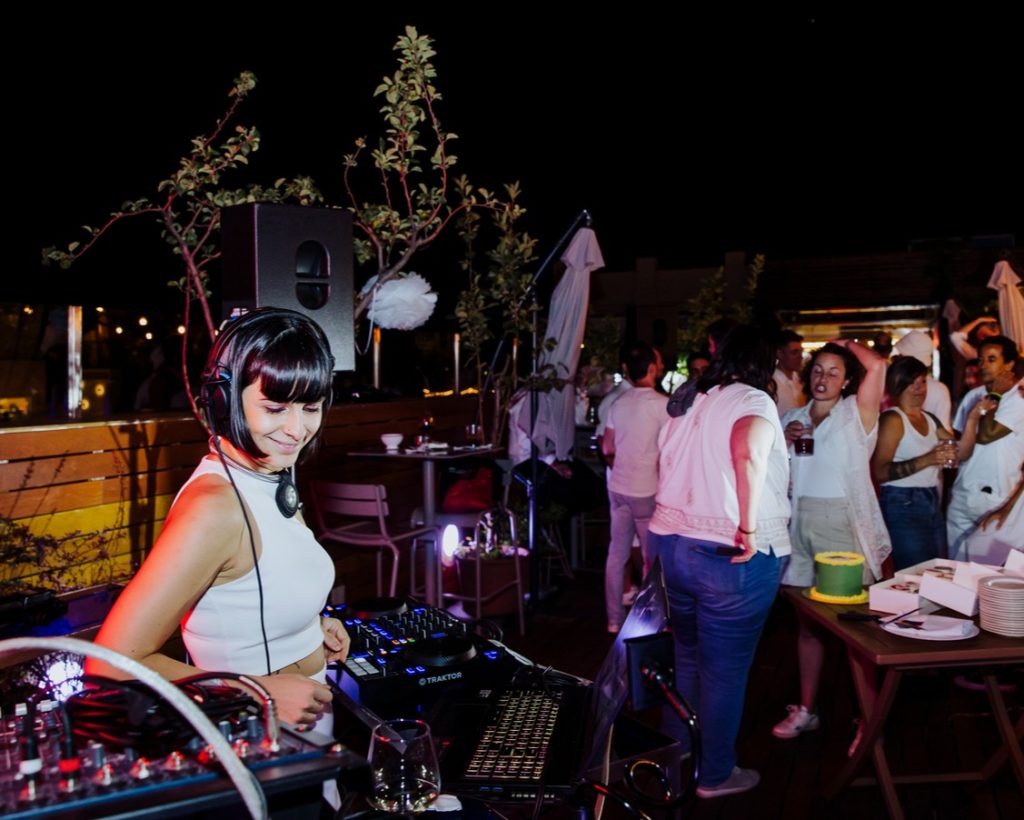
You want a wedding with a great atmosphere, but when you start looking, you come across DJs, entertainers, masters of ceremonies and even packages that promise to do it all. Are these just different names for the same professional? Do you need to hire several people? What if you love dancing, but don’t want games or a microphone on all night?
The first step is to imagine how you want the celebration to unfold. At some weddings, a well-organised dance session is enough to bring several generations together on the dance floor. At others, the bride and groom want games, presentations or organised activities. And at many, all that’s needed is for someone to announce two specific moments without turning the reception into a show.
Let’s break these features down so that you can choose what you fancy and understand what’s on offer.
Table of contents
A good atmosphere can take many different forms
A lively party doesn’t necessarily have to be full of set pieces. There can be energy because the music connects with the guests, because the transitions flow smoothly, and because the DJ knows when to change the style. It can also come from an interactive dynamic that breaks the ice. Both approaches can work; the problem arises when the professional and the couple have different visions for the wedding.
Before we talk about names, choose a few scenes that represent you: a cocktail reception where you can chat, a grand entrance to the ballroom accompanied by a special song, an intimate first dance, and a party that really gets going. If you’d also like someone to organise a surprise or suggest a game, make a separate note of it. That way, the word «entertainment» stops being a vague promise.
What you should aim for is a way of working that suits you. You don’t need to go along with organised dances, jokes or songs that make you feel uncomfortable just to liven up the party.
DJ, entertainer and master of ceremonies: who does what?
A single professional can take on several roles, provided they have the relevant experience and you have agreed on them. That does not mean they are automatically included. This comparison will help you focus the discussion.
| Function | What it offers | What needs to be agreed |
|---|---|---|
| DJ | Selection, mixing and the evolution of music. | Covered moments, preferences, vetoes and requests. |
| Entertainer | Activities and participatory exercises. | Type of activity, tone, duration and voluntary participation. |
| Master of Ceremonies | Programme introductions and announcements. | Script, languages, cues and timing for speaking. |
| Wedding organiser or wedding planner | Overall coordination of the event. | Managers, suppliers and decisions regarding timetables. |
| Sound technician | Audio editing where required by the production. | Microphones, musicians, rehearsals and the scope of the service. |
The DJ is in charge of the background music
Their work begins before the first song plays. They need to get to know your tastes, prepare the key tracks, understand who’s coming, and work out which moments need music. During the event, they select, mix and adapt the set to suit what’s happening. It’s not just a case of pressing play on a playlist and waiting for it to finish.
On the dance floor, the right choice of music can bring together audiences that at first glance seem incompatible. Perhaps a set of classics brings family and friends together, followed by more contemporary tracks, and later there’s room for a style that represents you. The order and length of each set are just as important as the songs themselves.
The presenter encourages participation
You can organise games, icebreakers, guided dances or activities to get the guests interacting. If that’s what you’re planning, ask exactly what will be involved, how long it will last and how it will be tailored to the group. «Entertainment included» doesn’t specify whether there will be two short performances or a continuous presence.
Participation should be relaxed and voluntary. A shy person doesn’t have to step into the middle of the room to show that they’re enjoying themselves. It’s also a good idea to agree on which topics, jokes or situations you’d prefer to avoid.
The master of ceremonies provides context for the various moments
Their role is to present, announce and link together different parts of the programme: to introduce a speech, explain a surprise or introduce the first dance. They can maintain a low-key presence and speak only when necessary. This is different from organising games and also from organising the entire wedding.
There must be a clearly designated person in charge of overall coordination — catering, access, the photographer, service timings and any issues at the venue. The DJ can coordinate the music with that person, but it is not advisable to assume that they will also be the one managing each supplier.
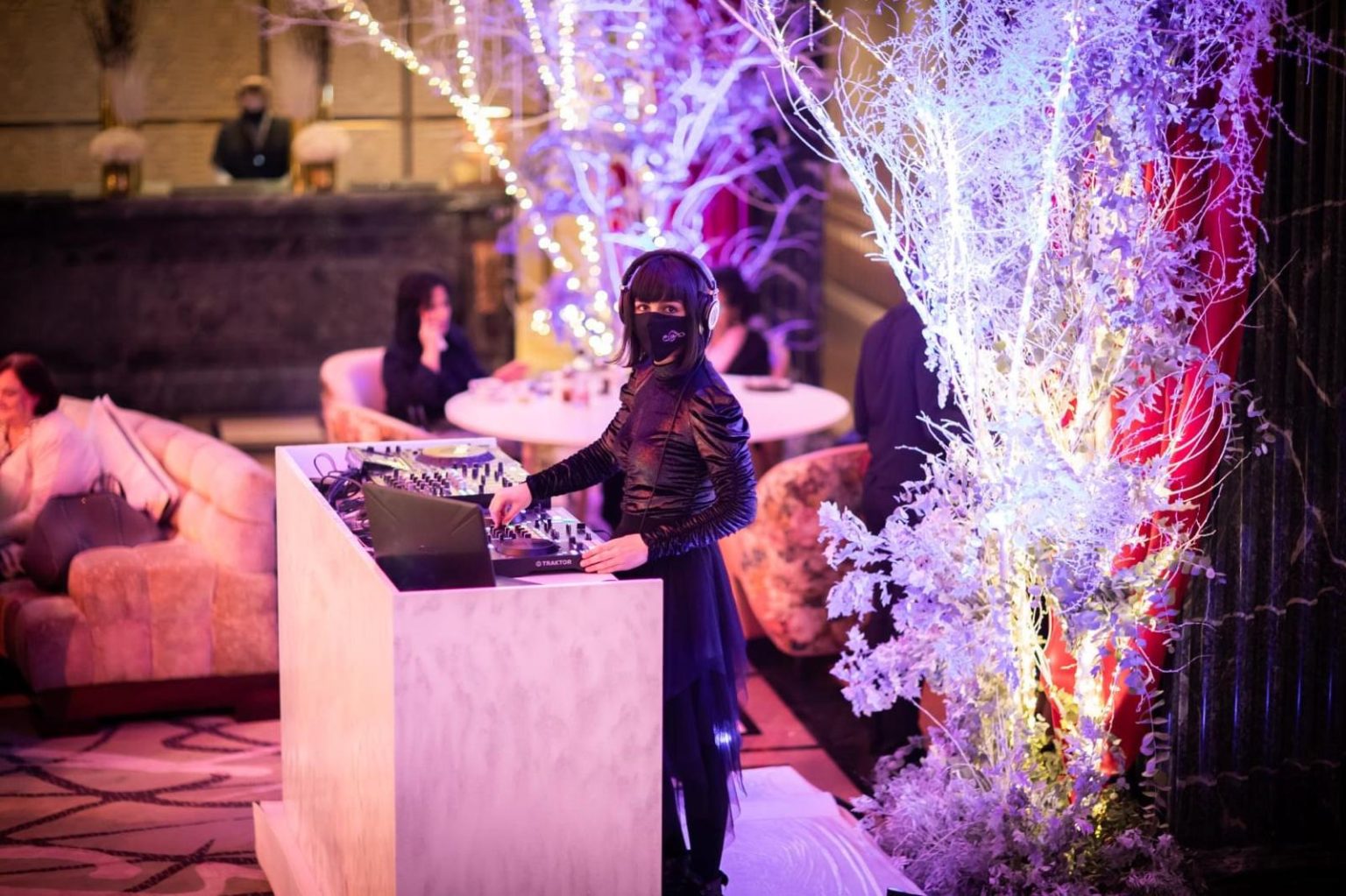
How many microphones do you want at your wedding?
This question usually provides more clarity than «Are you a DJ and entertainer?». Some couples want a lively performance to kick off the party, whilst others prefer the music to speak for itself. Neither approach means they’re missing out on a great celebration.
You can agree on three things: when people speak, who speaks and what tone is used. For example, introducing the start of the reception, leading into a family toast and announcing the first dance. Everything else can just flow naturally without constant commentary on the songs.
If someone you know is due to speak, make it clear when they should pick up the microphone and who will give them the signal. A surprise that the photographer knows about but the DJ doesn’t may result in the music being turned up too loud or the bride and groom being out of the hall.
It’s also useful to set some simple boundaries: no personal jokes without prior agreement, no forcing anyone to take part, and no turning every change of song into a performance. If you like led dances, choose which ones and find a moment when the group is receptive.
A track catering for different ages and tastes
At a wedding, you’ll find people who might never choose the same way to spend a Saturday. Some are hoping for pop, others are keen on 80s classics, some enjoy reggaeton, and others will only dance to a song they recognise. The DJ’s challenge is to find common ground and get the party going without straying from the style you’ve set.
That doesn’t mean you have to play every song someone requests or change genre every two minutes. If the dancefloor is responding well to a set, a request can wait. If the energy drops, it might be a good idea to play a track that’s more widely recognised before getting back to what you guys like.
It really helps to distinguish between essential tracks, banned tracks and music you wouldn’t choose to listen to at home, but which you’re happy with for a party. The musical arrangements for the wedding explains how to prioritise these preferences without turning the session into a rigid script.
The aim is for people from all walks of life to find moments to enjoy themselves. No one can guarantee that everyone will be dancing every minute: there will be conversations, breaks and changes of group. Knowing how to go with the flow is part of the job.
Three weddings that require different solutions
An elegant celebration, followed by a party
You could prioritise background music during the cocktail reception, a comfortable volume during dinner, and a set that builds up after the first dance. If there’s only going to be a toast and a brief speech, it might be enough simply to arrange these with the DJ or someone you trust. There’s no need to include activities just for the sake of it.
A wedding with very involved friends
If you’d like a pre-planned game, a group performance or a led dance, book a specific slot for it. It’s better to have one activity that suits the group than several strung together once the dance floor is already in full swing. Confirm who’s organising it, what equipment is needed and how the music will resume once it’s finished.
A small wedding or one with an international guest list
In a small group, a very rambling speech can feel out of proportion. With guests from different countries, jokes and lengthy explanations can leave some people out of the loop. Sharing music and making brief announcements in the necessary languages is usually a good place to start; the exact format depends on who is attending.
If you can imagine a cocktail with even more artistic flair, another option is combining a DJ with live musicians. It provides a musical performance without requiring guests to take part in an activity.
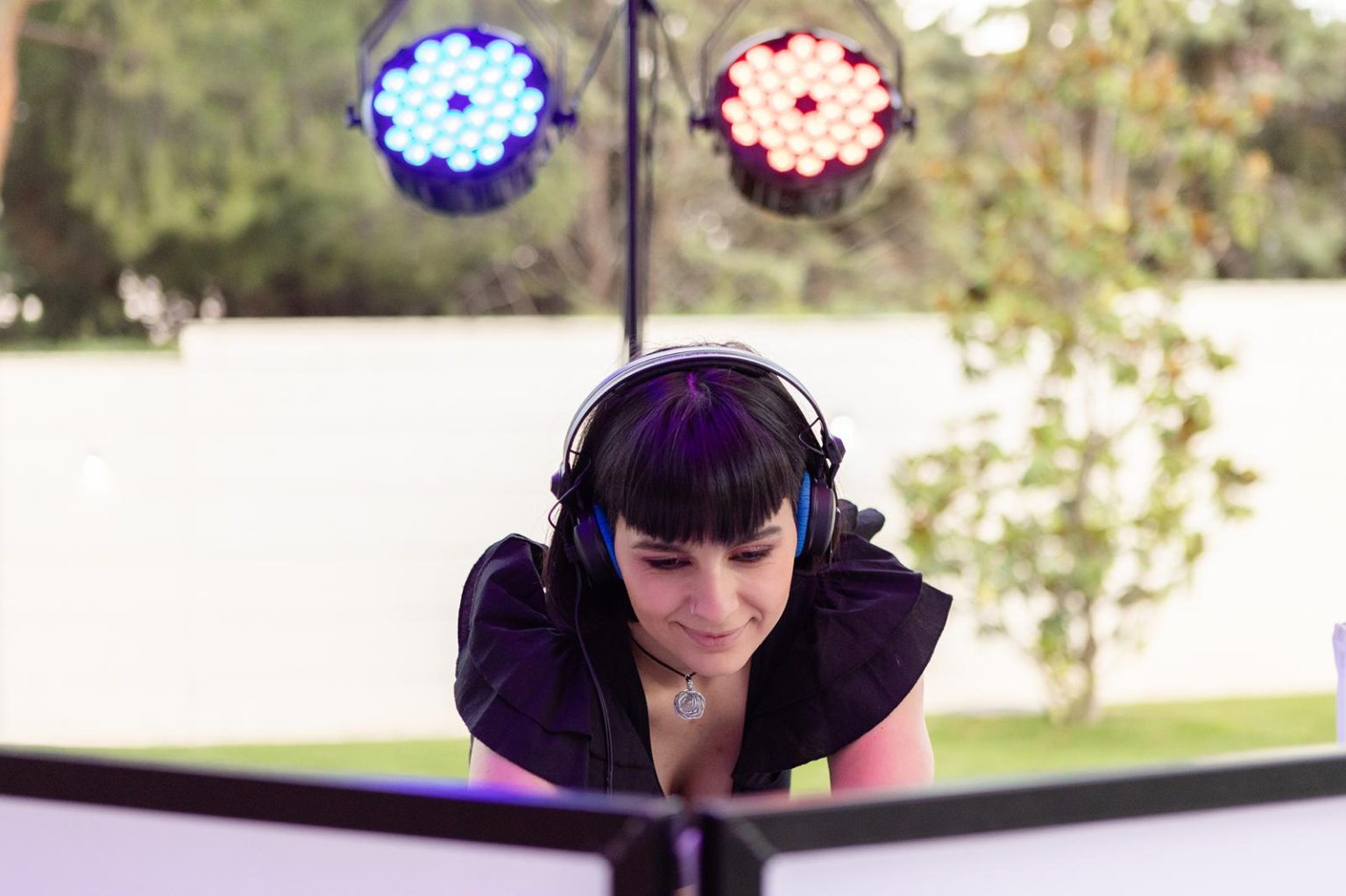
What you should ask before booking
Ask for examples of similar celebrations and describe a real-life situation: «We want to announce two surprises, but afterwards we’d prefer a party where there’s no talking between songs.» The answer should describe a way of working, rather than simply saying «I’m really good at getting people going».
- What features does the proposal include? Keep music, advertising, activities and technical coordination separate.
- Who will be the DJ on the wedding day? Find out how the session is prepared with the person who will be performing.
- Do you remember the speeches from before? Ask how they deal with changes and unexpected events.
- How are requests handled? They must respect your boundaries and the atmosphere of the moment.
- What audio features and microphones are included? A musical performance and a number of speeches may require different approaches.
- What happens if the timetable changes? Please clarify the layout, availability and boundaries of the venue.
If you’re comparing quotes, don’t just look at how many items are listed in each package. A service with fewer elements might actually be exactly what you’re looking for. And if you want very specific activities, it’s worth choosing someone who can organise them properly and coordinate with the DJ.
How we approach it at Aleea
We start with a meeting to find out about your idea, the venue and the guests who’ll be attending. You tell us what you’d like to hear, what you don’t want played, and what you’re willing to put up with for the sake of the party. We’ll also decide whether to accept requests and within what limits: they must fit in with the mood of the moment and with what we’ve discussed.
From there, we go through the entrances, speeches, the first dance and other musical moments. We agree on the cues with the organisers and recommend the staging based on the venue layout. You can find out more about the Aleea’s wedding DJ service and see if that way of organising the celebration suits you.
If you’d like games, a presenter with a distinctive presence or a specific form of entertainment, let us know right from the start so we can decide who will be responsible for each part. The music, the microphone and the programme all need to work together. A wedding can be intimate, moving and fun without losing your personal touch.
Some questions that often come up
Does a wedding DJ also act as an entertainer?
They can do so if they offer those services and you have agreed on them. Don’t assume that games, led dances or a constant presence at the microphone are included: ask for the proposal to specify what activities will be included.
Can we have a lively wedding without games?
Yes. A well-curated playlist, a set tailored to the audience and smooth transitions can keep the party going. Games are an option if you fancy them, not a must.
Who should announce the first dance?
Whoever you choose: the DJ, a master of ceremonies or someone you trust. The important thing is to coordinate the announcement, the musical cue and the availability of the bride and groom and the photography team.
Do we have to accept all the guests’ requests?
No. You can decide whether to accept them and under what conditions. They must respect your vetoes, be appropriate for the moment and not interrupt a musical sequence that is working well.
How do we avoid jokes or activities that we don’t like?
Explain this during the preparation and set out the details of the contributions. Decide on the tone, the topics you’d prefer to avoid, and whether participation is voluntary. Don’t leave it until the activity is already underway.